The Nyveen family traces its origins to the northern Netherlands, in the provinces of Groningen and Drenthe, where both the name and the family itself appear to have taken shape in the late eighteenth or early nineteenth century. The name was originally spelled Nijveen, and is composed of two older Dutch elements: “nij,” meaning “new,” and “veen,” meaning bog or peatland. The name therefore describes a “new peatland,” and belongs to a class of geographic surnames tied directly to landscape.
This meaning aligns with the region in which the family first appears. Much of northeastern Netherlands was shaped by peat extraction and land reclamation, and settlements such as Gasselternijveen—itself meaning “new peat colony of Gasselte”—reflect this process directly. These were not ancient villages but relatively recent developments, carved out of wetlands and built through labor-intensive drainage and cultivation. The surname Nijveen likely emerged in this context, either as a descriptive identifier tied to such land or as a name formally adopted during the Napoleonic reforms of 1811, when Dutch families were required to register fixed surnames.
Prior to this period, naming conventions were more fluid, with members of the same extended family appearing under patronymic names and related geographic forms such as van der Veen. The emergence of Nijveen coincides with the broader shift to hereditary surnames, suggesting that the name was chosen at that moment rather than inherited from deep antiquity.
By the nineteenth century, the family was established in the province of Groningen, where Jewish communities had existed intermittently since the sixteenth century and more continuously from the late seventeenth century onward. These communities operated within a constrained economic system. Jewish residents were permitted to live and work in certain towns but were often limited to specific occupations. In rural areas they commonly engaged in butchery, meat processing, and trade; in cities they participated in commerce but were still restricted by guild systems and regulation.
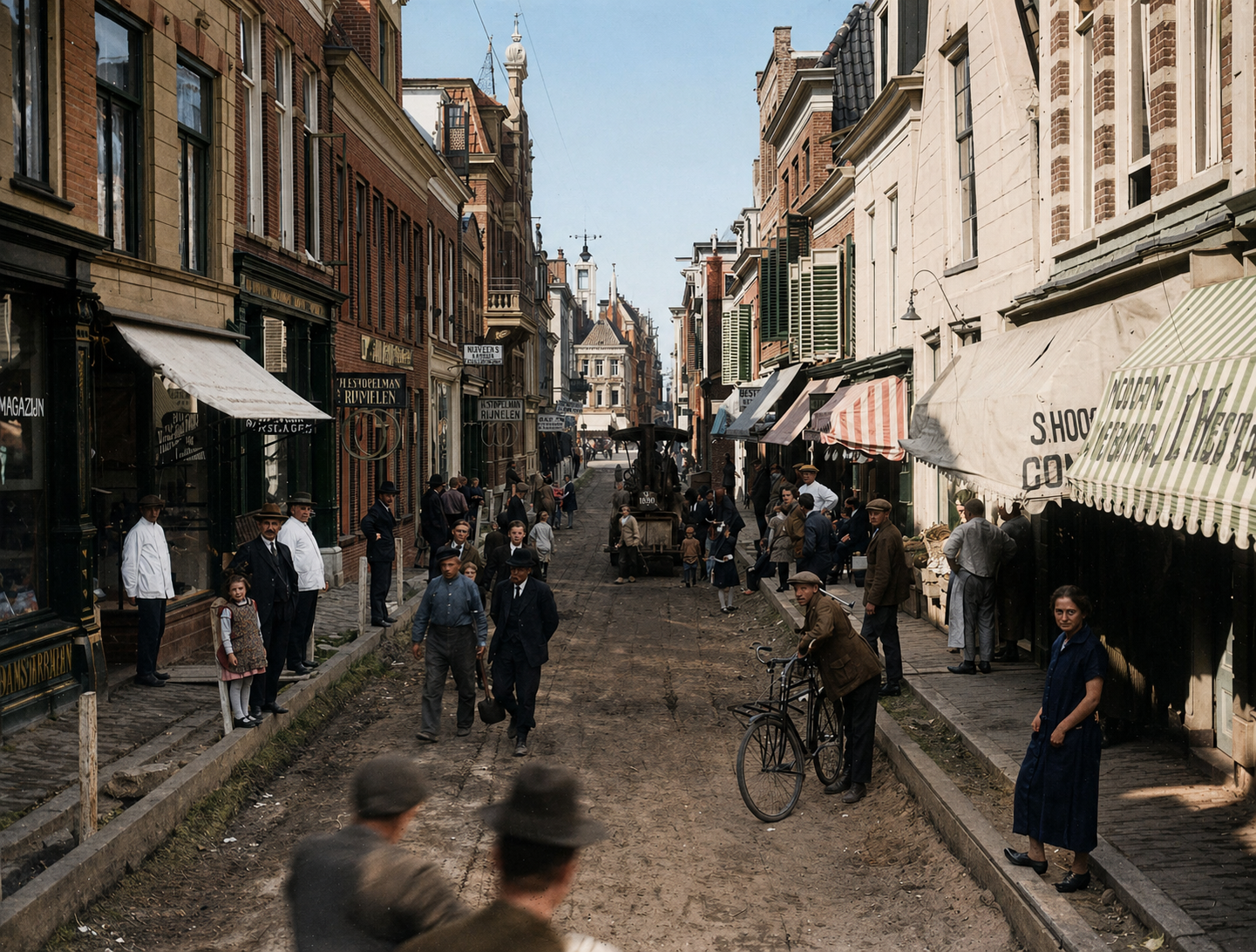 Within the city of Groningen, Jewish life centered on streets such as the Folkingestraat, which functioned as the commercial and social heart of the community. It was a dense retail environment, with food shops, clothing merchants, and small businesses serving both Jewish and non-Jewish customers.
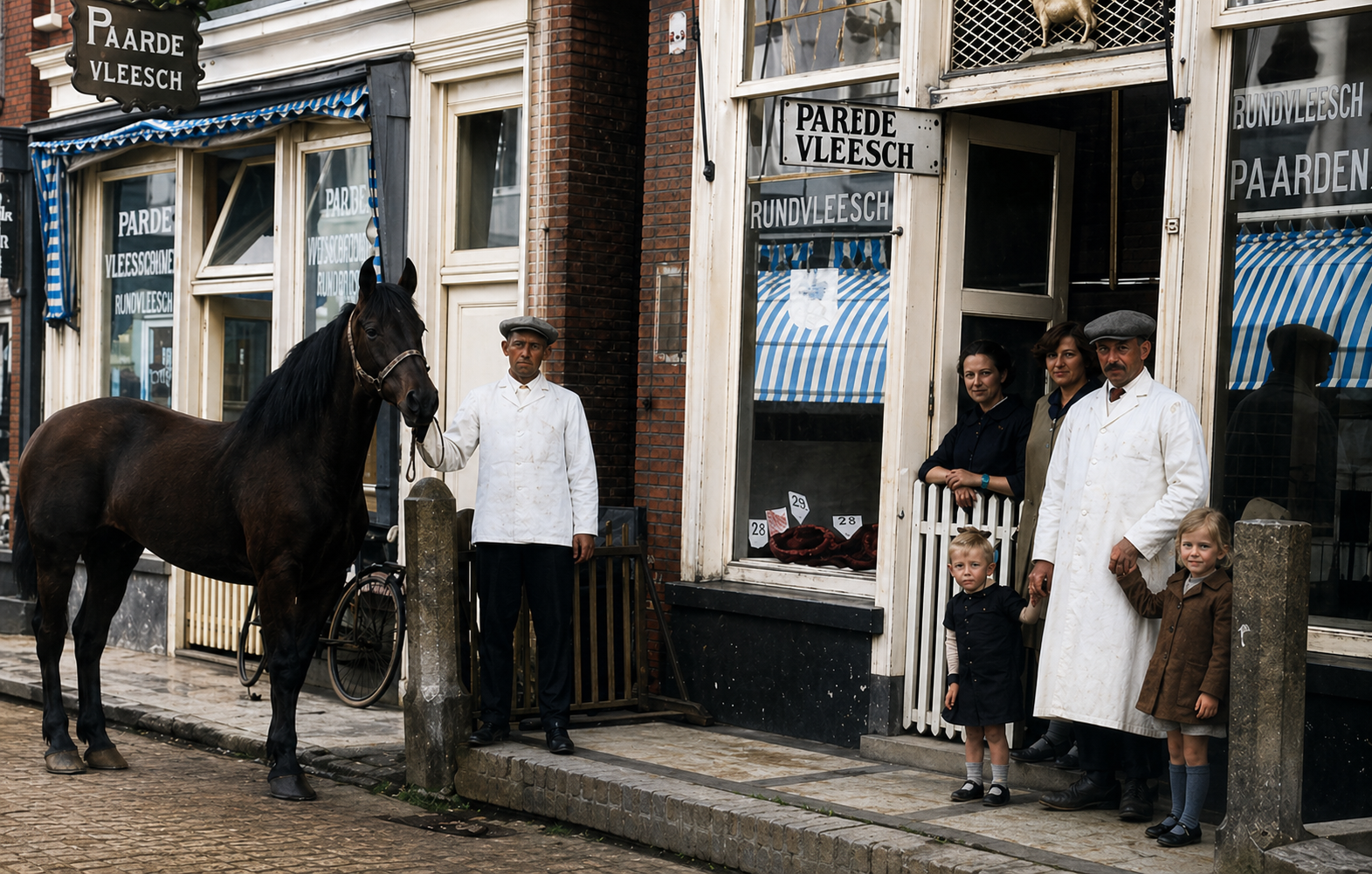
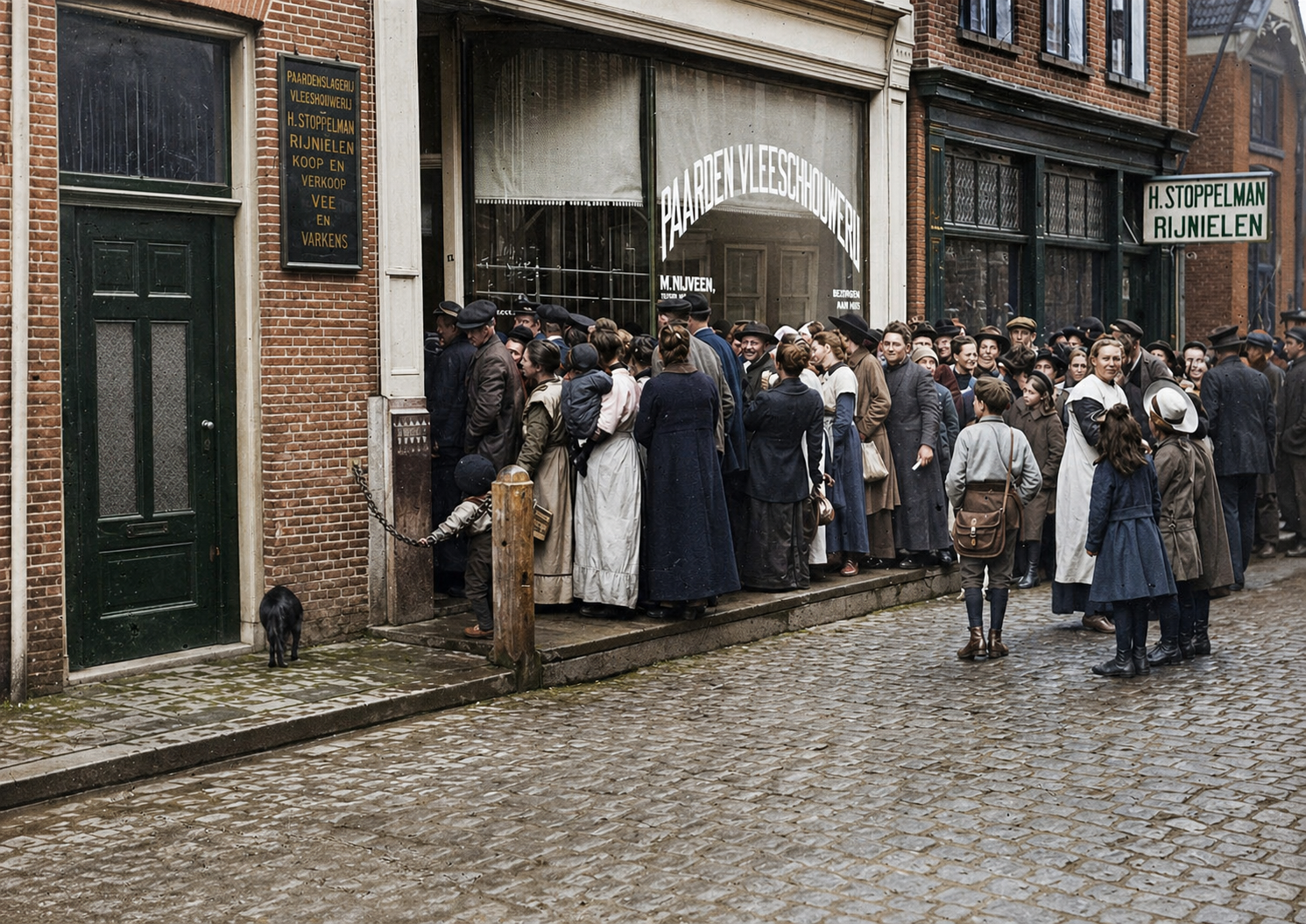 The Nijveen family appears in this setting as participants in the meat trade. One account places the family’s horsemeat butcher shop at Folkingestraat 13, where “the horse butcher Nijveen” operated with his two sons, Eli and Sam. Period photographs show the name ‘M. Nijveen’ on the shop window. The shop was reportedly busy and well known locally. Horsemeat was not an exotic specialty in that context; it was a practical, affordable meat, especially for working-class customers. Horse butchers typically purchased animals that were no longer suitable for labor—farm horses, transport horses, or aging working animals—slaughtered them, and sold the meat through retail shops much like other butchers sold beef or pork.
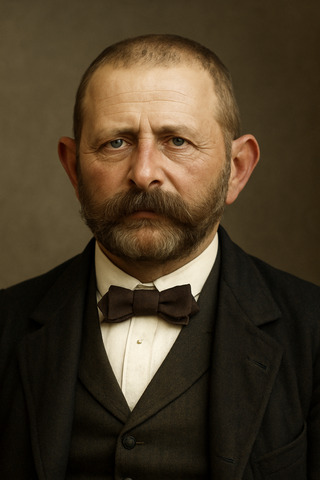 Contemporary accounts suggest that there were two horse butchers on the Folkingestraat, Nijveen and De Swaan, and that horses were periodically brought in live and driven through narrow passageways for slaughter and sale. Transactions were often conducted informally, sometimes sealed through handjeklap—direct bargaining and agreement between buyer and seller. That a Jewish butcher operated in horsemeat was itself somewhat unusual, as the consumption of horse meat was not permitted under Jewish dietary law, highlighting the economic realities that shaped the trade.
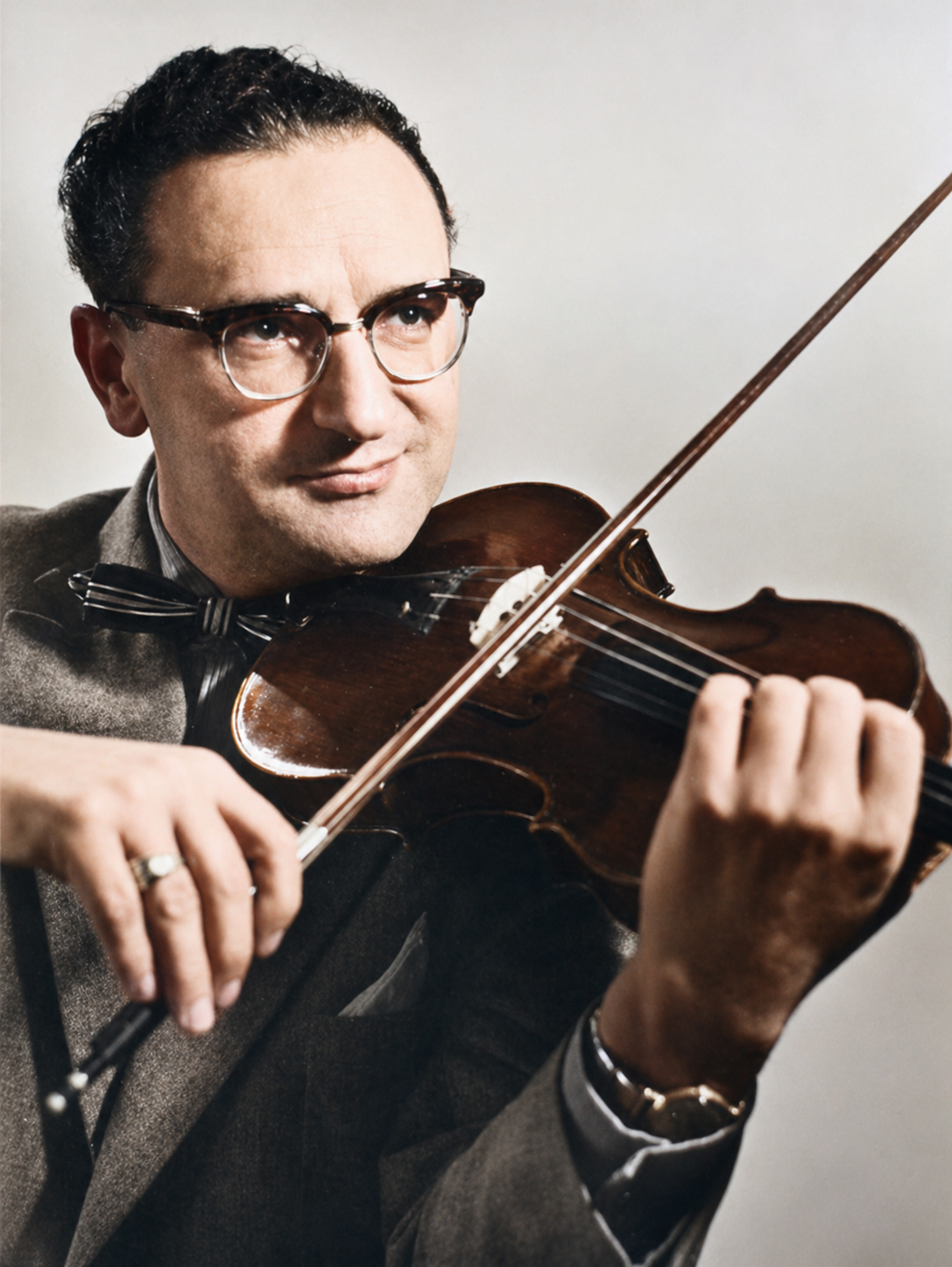 The Folkingestraat was not only a center of small trade but also of cultural life within the Jewish community. Among those born there was Sem Nijveen, who later became a jazz violinist and trumpeter of national prominence. A cousin of the Nijveen family engaged in the meat trade, he grew up in the same neighborhood in the early twentieth century.
Bernard Nyveen — born Benjamin Mozes Nijveen on October 1, 1887, in Stadskanaal — provides the clearest documented link between the family’s Dutch origins and its later international presence. He was the son of Jakob Mozes/Nijveen, a merchant, and Rachel Leviet, and grew up in a large family. His early education took place in Groningen but was cut short when he entered his father’s business, which included slaughtering, meat processing, and retail operations.
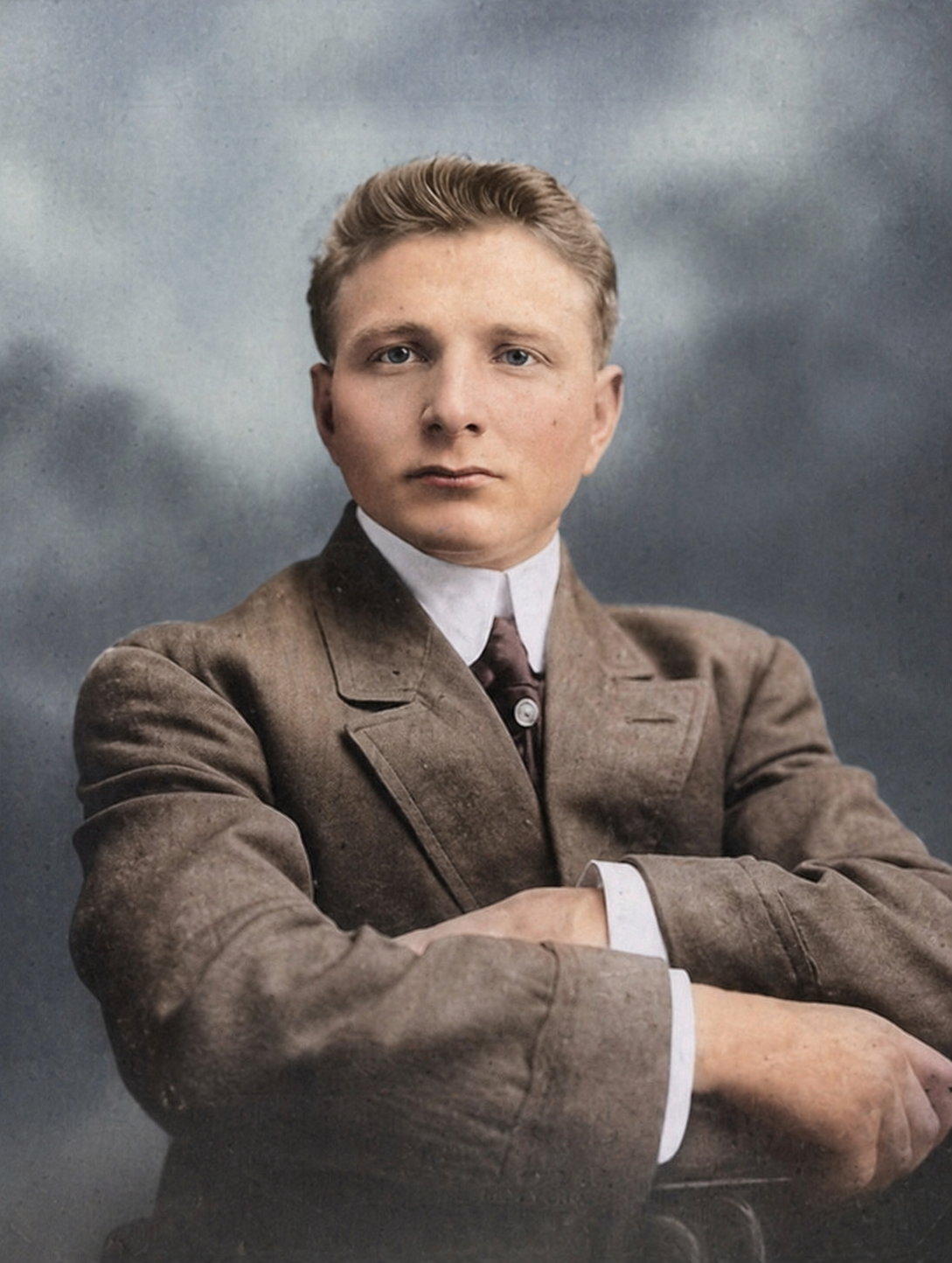 As a teenager, Bernard left the Netherlands to train as a butcher in Germany, where he completed a multi-year apprenticeship under physically demanding conditions. After qualifying as a journeyman, he worked across Germany before taking employment as a butcher aboard steamships, which allowed him to travel widely through European and Mediterranean ports. By 1906, he had reached the United States and settled in Newark, New Jersey, where he joined a rendering company and advanced into work involving animal by-products.
 After establishing himself in North America, Bernard returned to the Netherlands and married Josina van Meer on April 13, 1913, in Leeuwarden. His brother Charles later married Josina’s sister, Anna van Meer, reflecting the close-knit nature of the Dutch Jewish community in which the family lived.
Bernard’s sons Jack and Max were born in 1914 and 1916. During this Dutch period, Bernard remained connected to the horse and meat trades. Local recollections from Leeuwarden describe a Bernhard Nijveen, a Jewish butcher from the Breedstraat, remembered as a small man who dealt in horse slaughtering, horse trading, hackneys, harnesses, and related activities.
A surviving advertisement identifies him as Bernhard Nijveen, paardenhandelaar — horse trader — formerly established in Franeker and Bergum, and then operating from Hotel Klein, Marktstraat, Leeuwarden. The advertisement is revealing: he sought slaughter horses, workhorses, and good ponies; promised high prices, cash payment, guaranteed delivery, stabling, emergency slaughter, and “painless slaughter” using a shooting apparatus. This places him not merely as a butcher but as a businessman operating across the linked worlds of horse trading, slaughter, meat supply, and animal by-products.
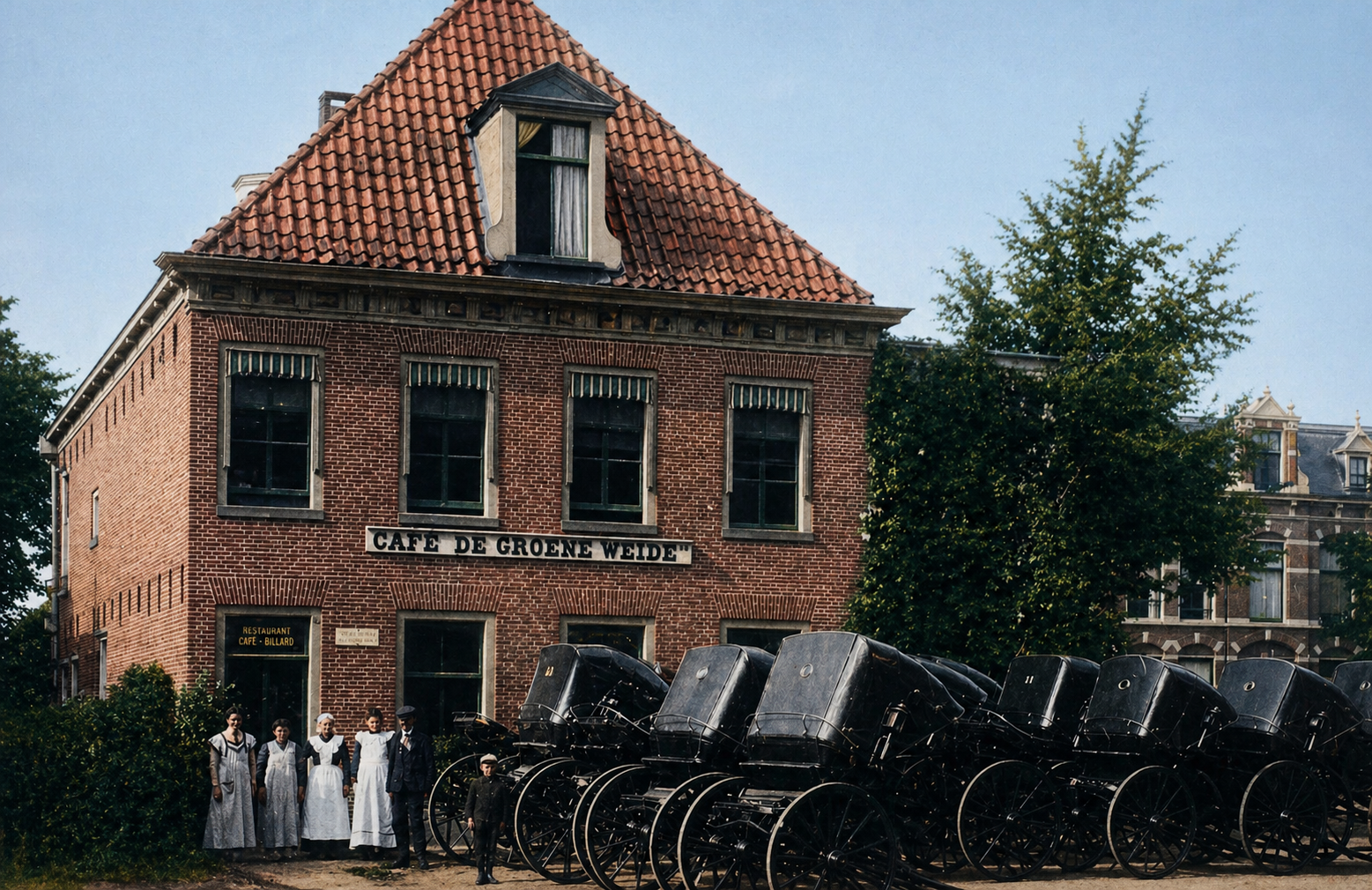 After the First World War, Bernard briefly operated a hotel and restaurant in Leeuwarden known as the Groene Weide, while also buying, selling, and exhibiting show and race horses. When that venture proved financially unstable, he returned to the horse and meat trade, first exporting horses from Scotland to continental Europe.
The shift from Nijveen to Nyveen appears to have begun by 1920. In that year, Bernard’s older brothers, Charles and Mozes Nijveen, traveled to New York by ship, and on the passenger manifest Charles anglicized his name to Nyveen—the earliest documented use of that spelling in the family. In 1924, Bernard relocated to Canada.
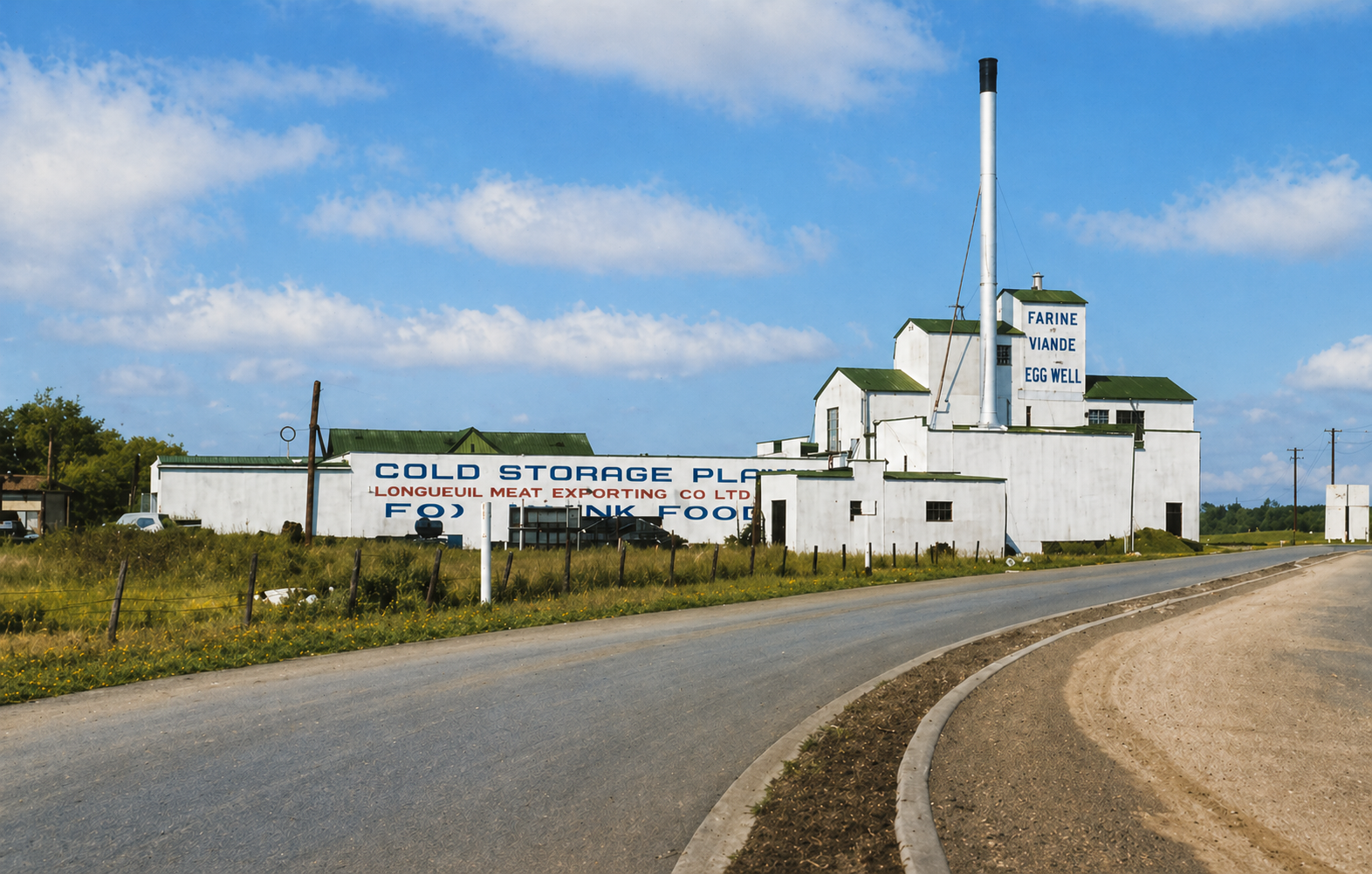
In Quebec, Bernard founded the Longueuil Meat Exporting Company Ltd., which specialized in horse slaughter, meat export, and the processing of animal by-products. The business supplied both European markets and the North American fur industry, where silver fox and mink farms required large quantities of meat for animal rations. Horses were plentiful in eastern Canada each fall, after the plowing season, when farmers sold animals no longer needed for work. The plant began as a seasonal operation—typically from October through the turn of the year—but expanded over time, adapting to tariffs, market conditions, and the disruptions of the Depression. By 1929, Bernard’s family had joined him in Canada, and the Nyveen form had come into regular use.
The seasonal nature of the meat business left most of the year unused. In 1932, Bernard turned that gap into something unexpected. Cheap ocean travel between Canada and Europe was in demand, and he used earlier shipping connections to secure booking rights for spare cabin space on freighters and tramp steamers calling at Montreal—a fleet that eventually numbered well over two hundred vessels. An office opened in the Coristine Building in Montreal under the name Canadian Travel League, advertising one-way fares to Europe for $55. The service appealed especially to students, teachers, retirees, and others with time but limited money. By the mid-1930s the League had expanded westbound as well, with an office on Trafalgar Square in London and agencies elsewhere; by 1937 it also had offices in St. John’s, Newfoundland, Galveston, Texas, and Vancouver.
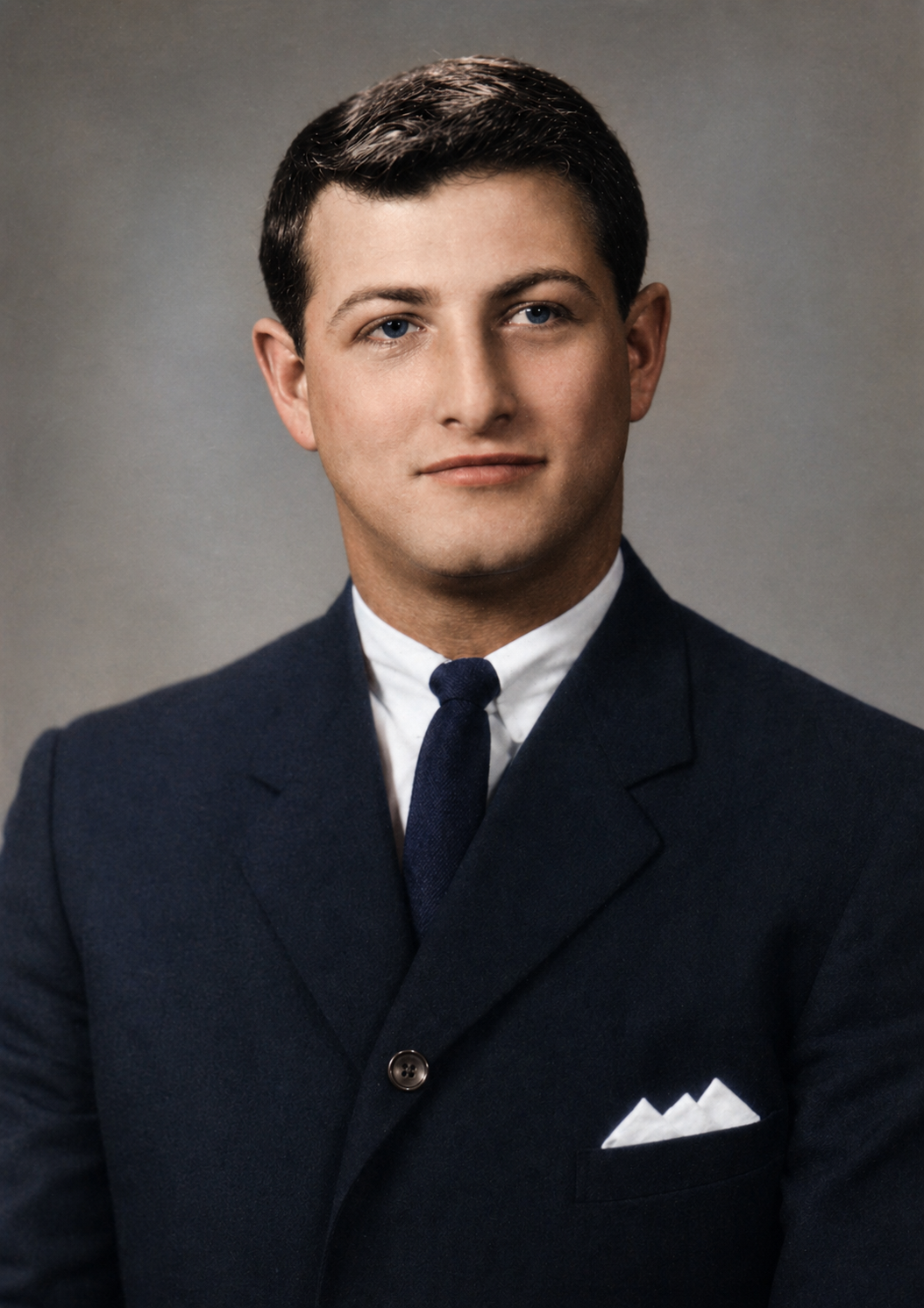
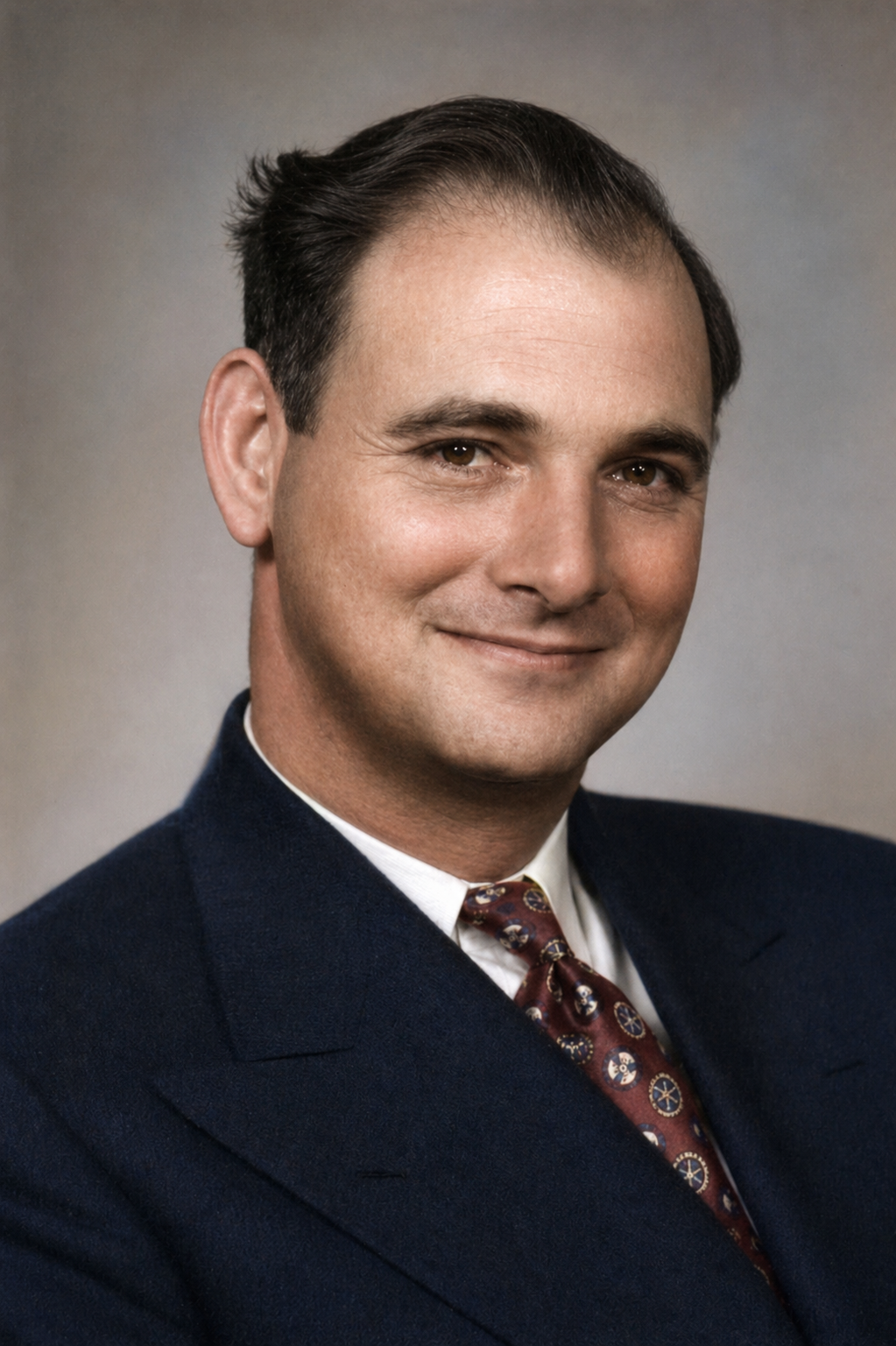 Bernard’s sons Jack and Max Nyveen entered adulthood within this Canadian phase of the family’s history, but their roles diverged. Jack began working at the Canadian Travel League in 1932 at the age of seventeen, and he later became increasingly associated with the growth and operation of the Longueuil business. Jack was regarded as practical and capable and was willing to work directly alongside employees in the plant when necessary. This helped establish him as the effective operational leader of the company his father had founded.
 Max also worked within the business but occupied a more ambiguous and often contested role. Family recollections suggest that his authority derived largely from his position rather than from operational expertise, and that his relationships within the company were often strained. Accounts from the next generation describe tension between Max and both the workforce and his father, as well as a broader contrast in temperament between the two brothers.
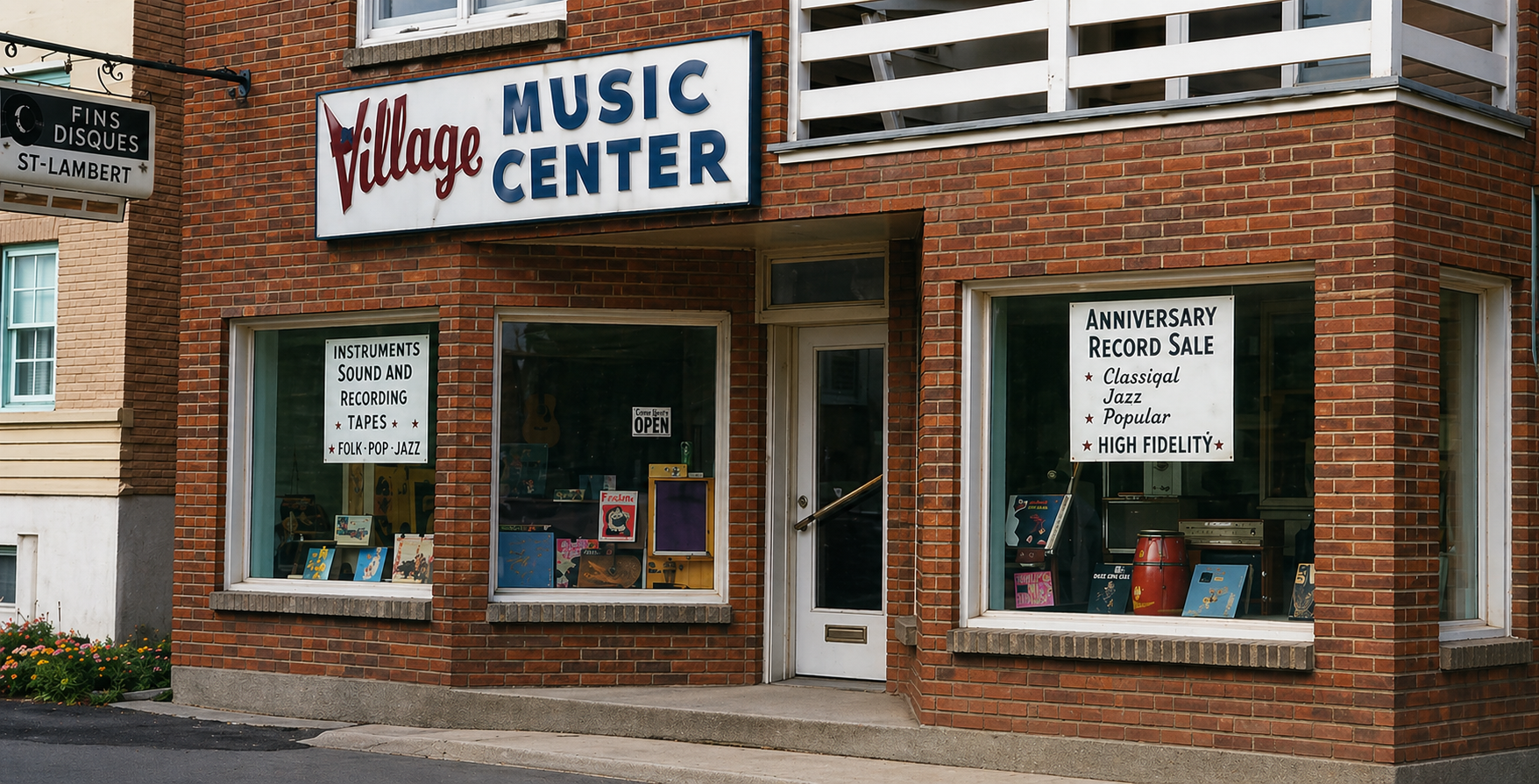 These differences became more pronounced over time. At one point, following a dispute over responsibilities and authority within the company, Max left the business and was not permitted to return. His later attempts to establish himself independently in related fields were unsuccessful, and he eventually moved into smaller-scale ventures, including the ownership of a popular record store in Saint-Lambert.
It was at the Canadian Travel League that Jack met Lily Firestone, the company secretary. On December 20, 1937, at the age of twenty-three, he eloped with Lily in Galveston, Texas—the same city where the League maintained an office—and they later moved to London. When war broke out in 1939, the British Admiralty took over British shipping, tourist travel collapsed, and the Canadian Travel League suspended operations.
After Bernard’s death in 1963, the division of the estate further strained relations between Jack and Max. The majority of the Longueuil business passed to Jack, further deepening the separation between the two. Jack continued to build on the foundation established by his father, expanding Longueuil Meat Exporting Company.
Don Nyveen, born in 1940, and his brother Ted Nyveen, born in 1945, grew up in Saint-Lambert, Quebec, where both worked in the family business before pursuing their own paths. Don went on to a career in several fields, most notably in the food service industry, where he was involved in the design and construction of commercial kitchens. Ted worked in the telecommunications industry. In later years, Don maintained strong ties to the Bahamas, where he retired, following a path established decades earlier by his father, Jack.
While this branch of the family established itself abroad, the Dutch Nijveen branches faced a very different fate. The Second World War brought the destruction of Jewish life in Groningen and the surrounding region. Communities that had sustained families for generations—including those centered around the Folkingestraat—were dismantled. Deportations began, families were separated, and entire neighborhoods disappeared.
The impact on the Dutch Nijveen family is visible not as an abstract historical fact, but in the genealogical record itself. Using the descendant tree beginning with Jakob Mozes/Nijveen, there are 81 identified descendants, of whom 38 were born before the end of the war. Among those prewar descendants, 21 are recorded as having died in Auschwitz, Sobibór, or other Holocaust-related locations. These include multiple children of Jakob Mozes/Nijveen himself—Mozes, Samuel, Israël, Hinderika, and Betje—as well as grandchildren and great-grandchildren, including young children born in the 1920s and 1930s. In several cases, entire nuclear families—parents and children—were deported and killed together.
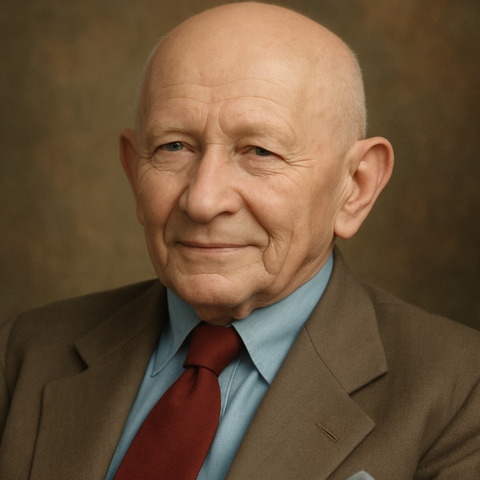 While one of Jakob’s sons, Charles Mozes/Nijveen, survived the war, continued in the meat trade, helped develop early industrial rendering operations in the Netherlands, and established a surviving branch of the family, it is clear that a substantial portion of the Dutch Nyveen family—likely a majority of those still in the Netherlands during the war—was murdered. What had been a multi-generational, locally rooted family presence was reduced to a small number of survivors. The effect is visible in the abrupt disappearance of entire branches from the family tree.
Similar losses occurred across other branches of the Nijveen family, including that of Sem Nijveen, who—like many Jewish residents of Groningen—was forced out of public life during the war, survived in hiding, and resumed his musical career afterward.
 In the generations that followed, the Nyveens descended from Bernard established themselves in Canada and the US, while other branches of the Nijveen family—including those of Charles and Sem—remained in the Netherlands.
The history of the Nyveen family reflects several intersecting developments: the formation of surnames in the early nineteenth-century Netherlands; the economic constraints and adaptations of Jewish communities in Groningen; the migration of skilled tradesmen in the late nineteenth and early twentieth centuries; and the destruction of much of that world during the Holocaust.
What survives is not a continuous local history, but a fragmented one—divided between those who left and those who did not. What began as a name tied to a specific landscape became, over time, part of a broader transatlantic history, shaped as much by migration as by loss—far removed from the peatlands from which the name itself was drawn.
0 Comments